
Collectors Excited Over Ancient Coin | Potential Roman Denarius Sparks Conversation
Edited By
Andrei Petrov
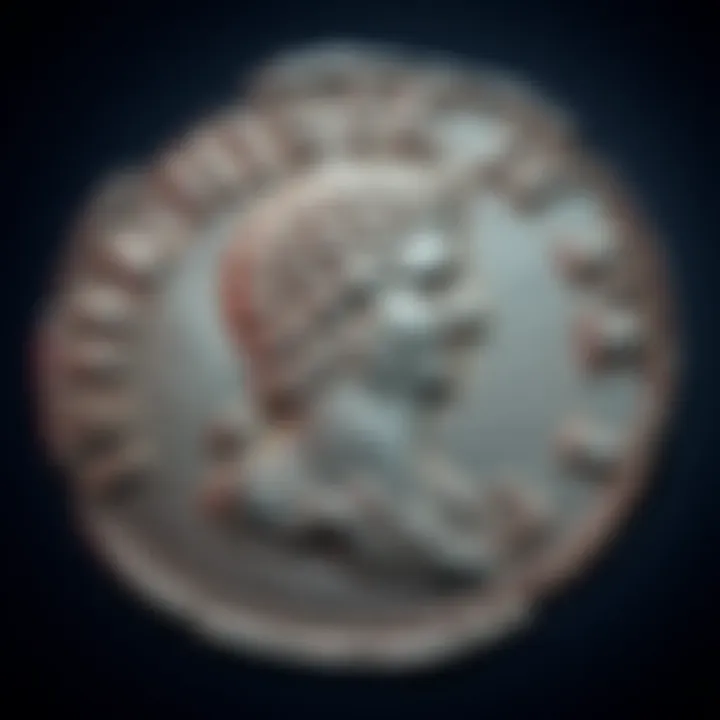
A recent post on user boards has ignited interest among collectors regarding a suspected Roman Republican silver denarius allegedly issued by Caius Renius in 138 BC. The post, shared this week, highlights the intricacies of the coin after an XRF test confirmed its metallic composition.
Coin's Details and Purchase Information
The coin, weighing a reported amount and containing 98.7% silver, 0.4% copper, and trace amounts of lead and gold, was purchased for $70 CAD by an enthusiastic collector.
This transaction drew attention, as the price indicated a willingness to take a risk based on previous research. User reactions vary, but many express positive sentiments about the coin's legitimacy and the deal made.
User Reactions and Findings
Commenters quickly analyzed the coin's details, with notable observations including:
"Looks good to me, and looks like you paid a great price!"
"That is a denarius of Lucius Iulius Bursio. Be sure to check the reverse legend."
"Yep, Bursio, looks legitimate. Good price, enjoy!"
The community appears to lean towards a favorable view of the acquisition, spurring a debate on the authenticity and history of coins in this era. The mention of Lucius Iulius Bursio indicates a potential misidentification of the coin, adding depth to the discussion.
What's Next for Coin Collectors?
With collectors constantly seeking unique pieces, how many more undiscovered coins lie in private hands? The excitement surrounding this denarius reflects broader trends in the numismatic community.
"This coin could offer insights into the economic conditions of its time," one commenter noted, hinting at greater historical significance.
Key Insights
△ 98.7% silver content confirmed by testing.
▽ Community suggests potential misidentification; further research needed.
※ "Great price for a piece of history!" - User comment
As conversations continue to flourish around this ancient coin, the excitement within the collection community remains palpable. Traders and fans alike await further news and analysis, eager for anything that can deepen their understanding of ancient currencies.
Expecting Trends and Insights on Coin Collecting
The growing excitement in the coin collecting community over the Republican silver denarius may lead to more people diving into the world of numismatics. Experts anticipate that interest in rare coins will increase, elevating prices by approximately 10-20% in the next year as collectors seek out unique pieces. Additionally, it’s likely that more detailed research and investigations into similar ancient coins will emerge, contributing more transparency and knowledge to the market. As trade expands, there’s a strong chance that technology, such as advanced metal analysis tools used in this case, will become standard, enabling precise authentication and driving further demand for unique historical pieces.
Reflecting on History's Treasures
A striking parallel can be drawn between this burgeoning interest in ancient coins and the public's obsession with baseball cards during the 1980s and 1990s. At that time, many enthusiasts rushed to acquire cards thinking they would retain value; however, many ended up with overly inflated investments as the market oversaturated. Similarly, today's coin collectors must tread carefully, balancing the thrill of finding a rare piece with the caution of not falling prey to overvaluation, reminding us that not every collectible holds lasting worth, even if it sparks passion.