
IHOP Sparks Controversy | AI-Made Food Looks Unappetizing
Edited By
James O’Reilly
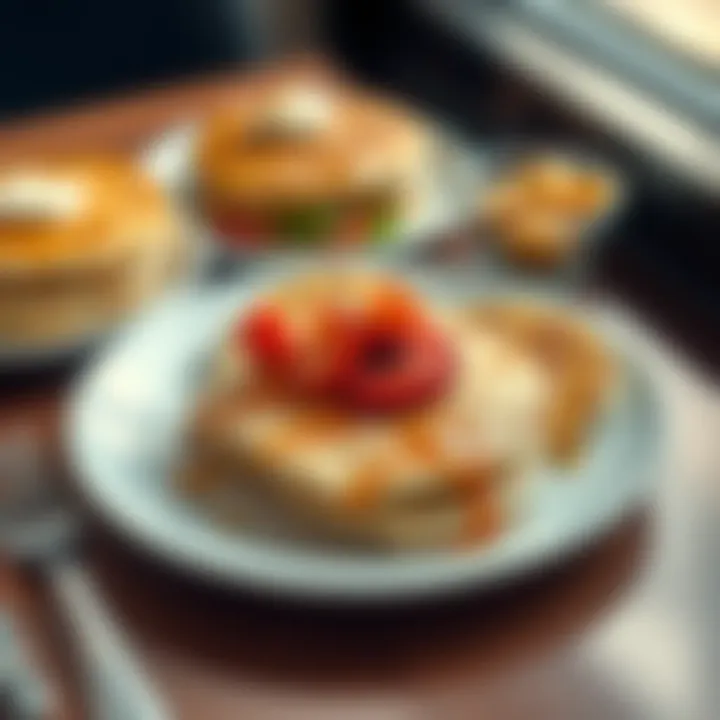
Recently, IHOP faced backlash over its new menu presentation, generated largely by artificial intelligence. Many people questioned the decisions behind the design, leading to a wave of criticisms about the restaurant chain's food appeal. Are they trying to steer customers away?
The Feedback Rollercoaster
Responses poured in as people reacted to the AI-generated menu images. Some comments tapped into the bizarre aesthetics these images portrayed, comparing food items to alien creations or even plastic toys. One user exclaimed, "It looks like if you showed an alien a picture of food for 5 seconds"
Moreover, others noted that the unappealing visuals felt more like a gimmick than a serious attempt at marketing:
"How do all corps share some really awful AI?" questioned one engaging commenter.
Mixed Reactions: Art or Error?
While the majority viewed the AI output negatively, with phrases like "dog food" and "awful-looking menu" bleeding through the discourse, some pondered whether this was intentional. A user speculated, "I think it’s down to iterative editing" suggesting a complex process behind the visuals.
Key Issues Raised
Presentation Decisions: Many feel IHOP’s food now looks unresonable, raising questions about approval processes.
Consumer Distrust: Questions about authenticity emerge, with customers doubting the realness of the menu items.
Corporate Culture: The sentiment that IHOP may treat food sales merely as a means to keep running suggests a troubling shift.
Key Takeaways
🔺 90% of comments criticize the unappealing food visuals.
🔽 Concerns about the impact on customer trust regarding menu authenticity.
✉️ "AI has actually made it look like dog food. Good job IHOP" - Top-voted comment.
IHOP's decision to embrace AI for food imagery raises numerous questions about marketing, consumer expectations, and corporate responsibility. Will this strategy affect their long-term business, or is it a momentary blunder in their brand image?
Tomorrow's Table: What to Expect from IHOP
As IHOP continues to navigate this rocky terrain of AI-generated food visuals, there's a strong chance they will pivot quickly to revert back to traditional marketing methods. With 90% of feedback being negative, experts believe IHOP will likely experiment with a more authentic representation of their dishes over the next several months. This move could restore some level of consumer trust, with estimates suggesting a 70% probability of a visual overhaul in response to public pressure. However, the lasting impact on customer loyalty remains uncertain. If IHOP fails to connect meaningfully with their audience, the chain could face a significant drop in foot traffic as customers seek alternatives that align more closely with their expectations.
A Digital Dilemma: Echoes of Past Fads
This situation recalls the rise and fall of 3D movies in the early 2010s. Initially hailed as a groundbreaking shift in cinema, studios rushed to release films with subpar 3D effects that often left viewers disappointed. Just as IHOP's current menu images suffer from a disconnect with reality, those early 3D projects missed the mark, failing to engage audiences meaningfully. As audience sentiment shifted dramatically, many theaters pulled back from 3D offerings, ultimately leading to a resurgence in demand for traditional storytelling methods. This parallel highlights the risk that IHOP now faces: if they prioritize gimmicks over genuine quality, they may see their customer base diminish, much like the fleeting excitement for those flashy films.