
Doodle Mashup | A Look at Today's Hottest Art Trend ✌️
Edited By
Lina Zhang
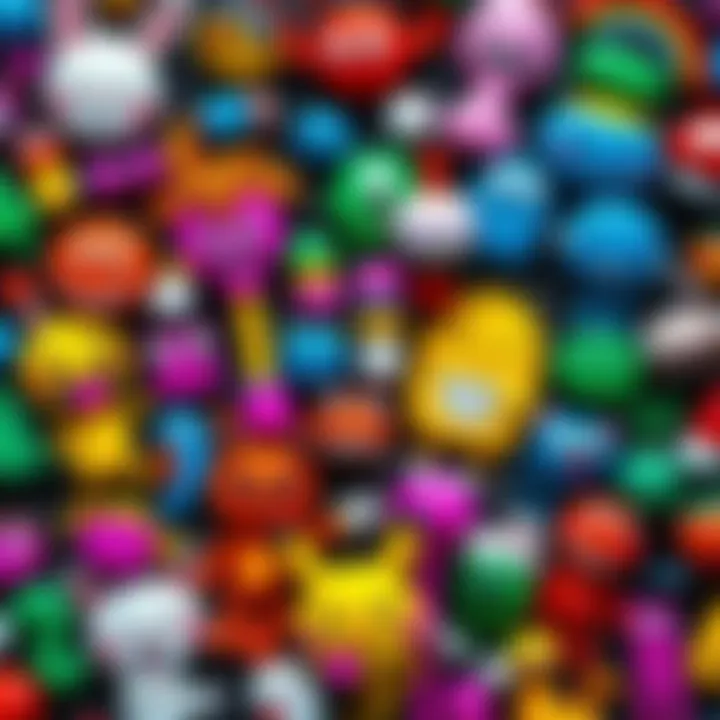
A blend of random doodles has sparked conversations across user boards, as comments pour in from art enthusiasts and casual observers alike. This community-driven interest sheds light on how digital art continues to evolve and captivate audiences in new ways.
What's Happening?
On social media, a recent post featuring an eclectic mix of doodles caught the attention of many. Some comments were positive, as one participant simply said, "Nice," while another expressed disbelief with an emphatic, "NOID!!!"
The post showcases a variety of characters, leading to an engaging inquiry: Can anyone recognize these diverse figures? This question not only invites viewers to engage but also stimulates discussions about the creativity in art.
Key Themes Emerging from Comments
Recognition: Users are eager to identify the characters presented, indicating a communal challenge.
Enjoyment: The positive sentiment is clear; many appreciate the freeform nature of the art.
Surprise: The reactions show that the mix of styles is unexpected, creating buzz around the post.
"Art should be fun, and this captures that perfectly!" - Commenter
Sentiment Analysis
While the overall reaction seems positive, one commenter’s harsh greeting indicates that not all feedback was favorable. However, the prevailing sentiment points to a celebration of creativity and spontaneity.
Key Takeaways
✦ The communal aspect of identifying doodle characters strengthens community bonds.
◻️ Positive comments dominate the discussion, with users expressing enjoyment.
🔥 "This is a great way to get people talking about art!" - Enthusiastic comment
This trend aligns well with the growth of low-key art forms that prioritize personal expression and encourage interactive engagement. What seems to be a simple doodle mashup could embody a much more profound connection within the digital art community.
Shaping the Creative Future
There’s a strong chance that this trend of doodle mashups will drive new forms of digital art platforms. As more people engage with art on social media, experts estimate around 60% of artists may adopt this collaborative style in the coming year. Encouraging user participation not only enhances interaction but also invites innovation in art creation. This could lead to platforms where users can seamlessly create and share similar forms of expression, promoting a thriving online art community.
A Canvas of Unexpected Connections
In the art world, a less obvious parallel can be seen in the rise of graffiti culture during the 1980s. What began as street art outside the mainstream quickly transformed into a respected form of expression that united diverse communities. Much like today's doodle mashups, those vibrant city walls reflected individual voices merging into a colorful dialogue. Just as graffiti artists reclaimed urban spaces, today's doodle enthusiasts are reshaping digital canvases, highlighting the shared human experience through creative expression.