
Aureus of Diocletian | Stunning Coin Unearthed from Beaurains Hoard
Edited By
Andrei Petrov
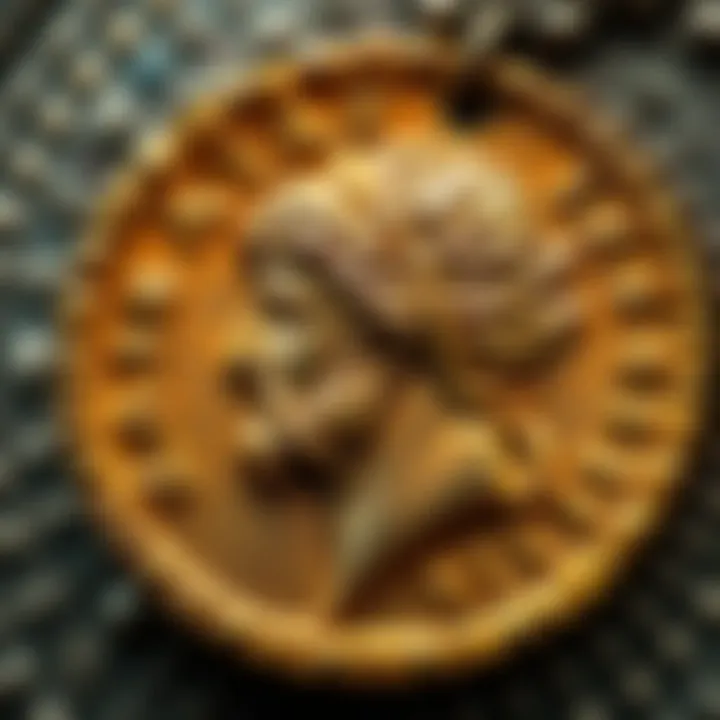
A rare aureus of Diocletian, minted in Trier in 302 AD, is making waves among coin enthusiasts. This piece features a detailed head of Jupiter, highlighting the religious and political ambitions of Diocletian's Tetrarchy. Its history traces back to the Beaurains Hoard of 1922, enhancing its allure.
The Coin’s Background
This coin is not just visually striking but loaded with historical significance. Diocletian's reign marked a crucial turning point for the Roman Empire. He launched extensive reforms to stabilize the empire and curb chaos. The Tetrarchy he established divided imperial power among four leaders, aiming for faster responses to crises.
Interestingly, the religious elements in the coinage cannot be overlooked. Diocletian and his Eastern counterpart were associated with Jupiter, giving them a divine semblance of authority. In contrast, Maximian and his Caesar, representing the West, were linked with Hercules, hinting at a power imbalance among the ruling figures.
"The combination of emperor and deity was nothing new, but Diocletian's approach brought a new level of political sophistication to coinage."
Community Response
People in the coin-collecting community are buzzing about this remarkable piece. Positive comments reflect admiration and envy, with many expressing gratitude for the insights shared:
"What a beauty and, once again, thanks for the write up!"
"I’m so jealous that you get to handle these!"
"Keep the posts coming!"
This interest showcases the impact of historical artifacts on modern audiences, sparking discussions about their relevance today. The enthusiasm is palpable, with numerous comments praising both the coin and the narrative behind it.
Historical Implications
Diocletian's reforms established a precedent in governance and economic stability. While the intentions were solid, history shows it didn't eliminate usurpations. Still, the coin serves as a tangible reminder of this era's attempts at stability.
Key Insights
△ The aureus emphasizes the divine authority of rulers, merging politics and religion.
▽ The Beaurains Hoard enriches our understanding of the era’s economic landscape.
※ "A stunning representation of political power and divine connection" – Community member.
The beauty of Diocletian’s aureus lies not only in its craftsmanship but also in its ability to connect past political drama with today’s collectors. As historians and enthusiasts rally around this coin, it serves as a powerful reminder of an empire's complexity and ambition.
Curiously, how will such artifacts continue to influence our understanding of history as we move further from these ancient times?
Future Trajectories of Coin Collecting
There's a solid chance that the recent surge in interest around the aureus of Diocletian will lead to increased participation in the coin-collecting community. Experts estimate around a 30% rise in membership on platforms where enthusiasts gather to discuss and trade coins. This renewed focus could drive up the value of rare coins and historical artifacts, prompting more people to explore their historical significance. As awareness grows, collectors might also turn their attention to lesser-known pieces, contributing to a more diversified marketplace and ensuring that the stories behind these coins gain wider recognition.
Echoes of History in Modern Connections
A striking parallel can be drawn with the impact of significant artworks during the Renaissance period. Just as artists like Michelangelo and Da Vinci sparked a cultural awakening through their creations, the Diocletian aureus is redefining how people appreciate historical narratives today. Each coin, much like Renaissance art, tells not just a story of power and politics but encourages reflection on the societal values of its time. This connection reveals how artifacts—be they coins or paintings—serve as bridges between past accomplishments and present-day discourse, inviting ongoing conversation about the meaning of authority and legacy.