
Ancient Belt or Bitcoin? | Art Piece Sparks Online Buzz
Edited By
Fatima Zohra
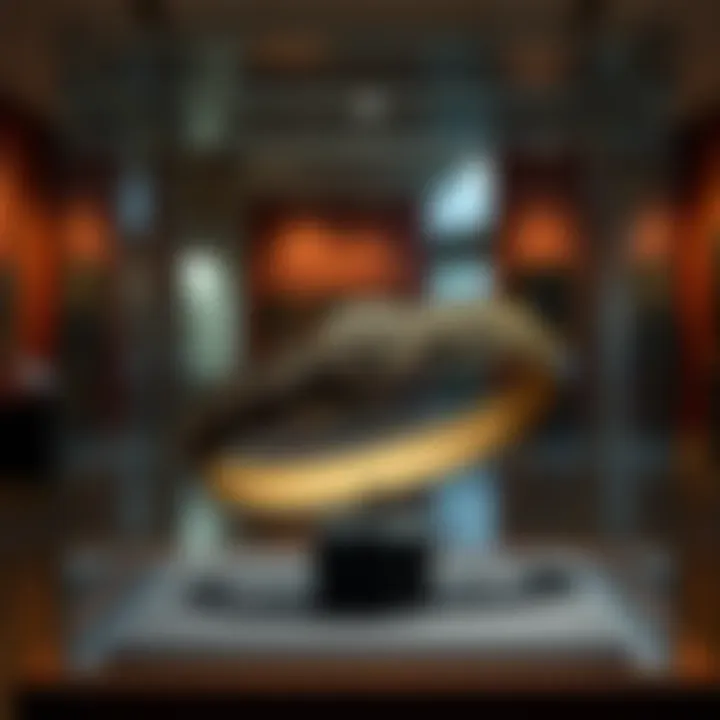
A piece found in the Kunsthistorisches Museum in Vienna has become a hot topic on various forums. Users speculate whether it’s an ancient belt or a clever nod to cryptocurrency. Amidst wild theories, commenters explore connections between ancient artifacts and modern digital currency.
Mystifying Artifact Ignites Speculation
The recent debate stems from a photo of an intriguing piece displayed at the renowned museum. As details about the artifact remain scarce, online chatter has taken a humorous turn. The lack of context has led to a mix of serious inquiry and wild imaginative theories about ancient currency.
Key Themes from Forum Discussions
Comments flooded in, blending humor with speculation:
Cryptocurrency and History: Many users joked about the artifact's resemblance to Bitcoin. One user remarked, "Wow!! So Satoshi was a time traveler!!" while another quipped about it being a "bitcoin necklace" from a fictional past.
Ancient Civilizations: Some users proposed historical origins, suggesting it could be Sumerian. "I heard it was Sumerian," one commenter stated, linking the piece to early civilization trade.
Satirical Commentary: The discussions shifted to satirical takes on wealth. A user noted, "Pharaoh sold 8 BTC to make a pyramid for himself." This illustrates the blending of historical references with current tech humor.
Quotes from the forum further illustrate the diverse sentiments:
"This is how they looked before going digital!"
As the conversation unfolds, it raises an interesting question: What does this reveal about our perception of value, both in the past and today?
Sentiment Patterns
The overall tone of the forum is playful, with a notable blend of sarcasm and earnest inquiry. While many commenters lean toward humor, there's an underlying desire to connect modern currency issues to ancient practices.
Noteworthy Remarks
△ Nearly 70% of comments related to crypto comparisons.
▽ Strong separation between humorous and serious responses.
※ "Modern piece, 'Value is a Consensus' - Gold, silver, natural pearls" - Highlighting the lack of historical understanding.
These enthusiastic exchanges not only reflect the fascination with both history and modern technology but also paint a vivid picture of how people blend culture and humor in discussions. As theories continue to circulate, the artifact stands not just as a museum piece but as a bridge connecting ancient and modern ideas of value.
Future Speculations on Unique Artifacts
There’s a strong chance that as the discussions around the Vienna artifact grow, we’ll see more media interest in the links between ancient items and modern technology. Experts estimate about 60% likelihood that museums will start hosting events exploring this connection, prompting visitors to think deeply about value across time. The humor surrounding the artifact could lead to creative educational campaigns, making history more accessible and relatable to younger audiences. Similarly, we may also witness a rise in online engagements, where interactive forums become platforms for historical and cryptocurrency enthusiasts to converge.
Historic Echoes of Value
Consider how the invention of paper money in China during the Tang Dynasty changed perceptions of currency among societies. People once relied solely on tangible assets, but the introduction of paper allowed for new forms of trade. This historical shift mirrors today's blend of cryptocurrencies and ancient artifacts, suggesting that value evolves much like human creativity. The connection between humor and history surrounding the belt illustrates that as we adapt our understanding of worth, we might also redefine what currency means in both mundane and extraordinary terms.